Scott Nguyen of VTN Fresh
Published: September 2026
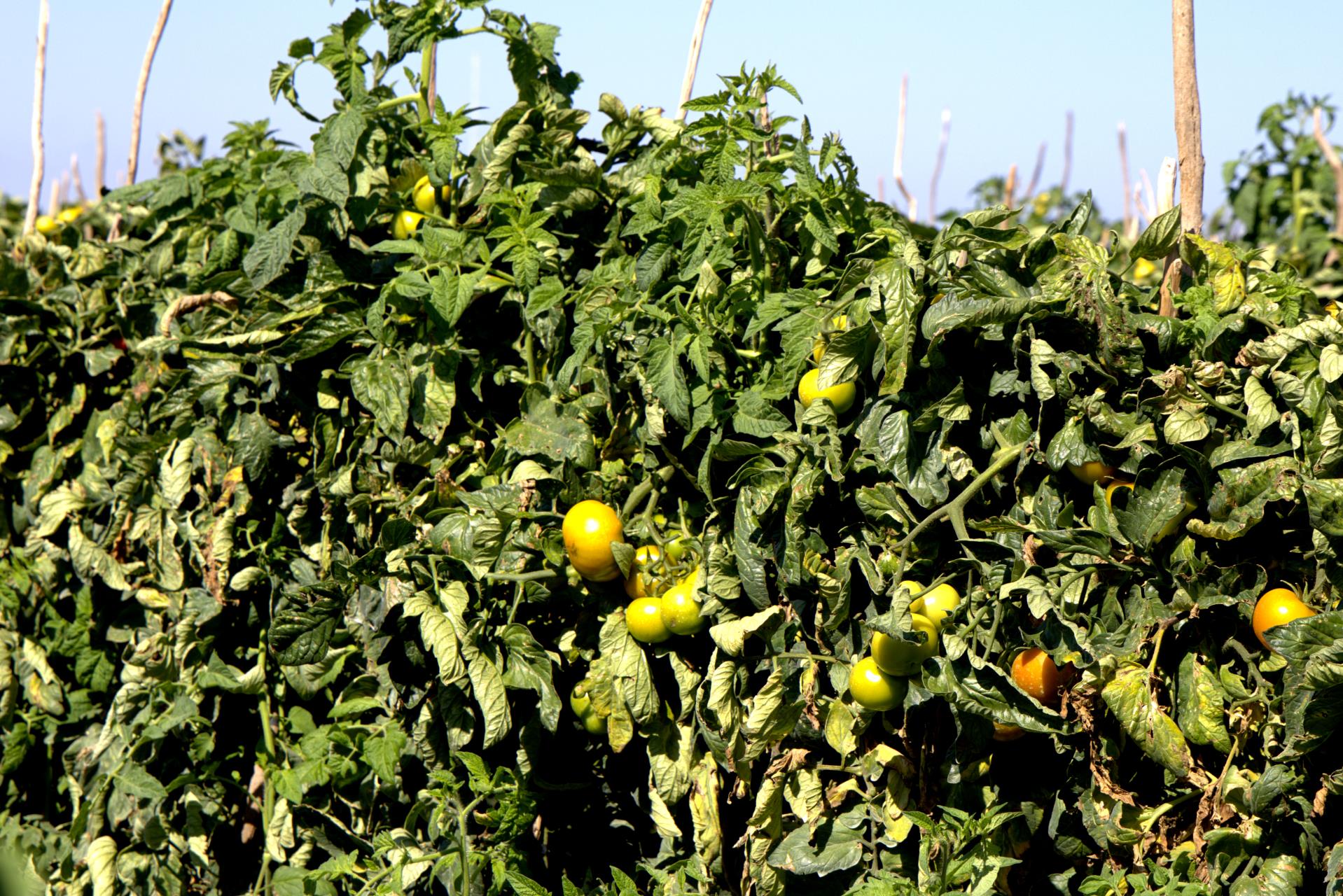
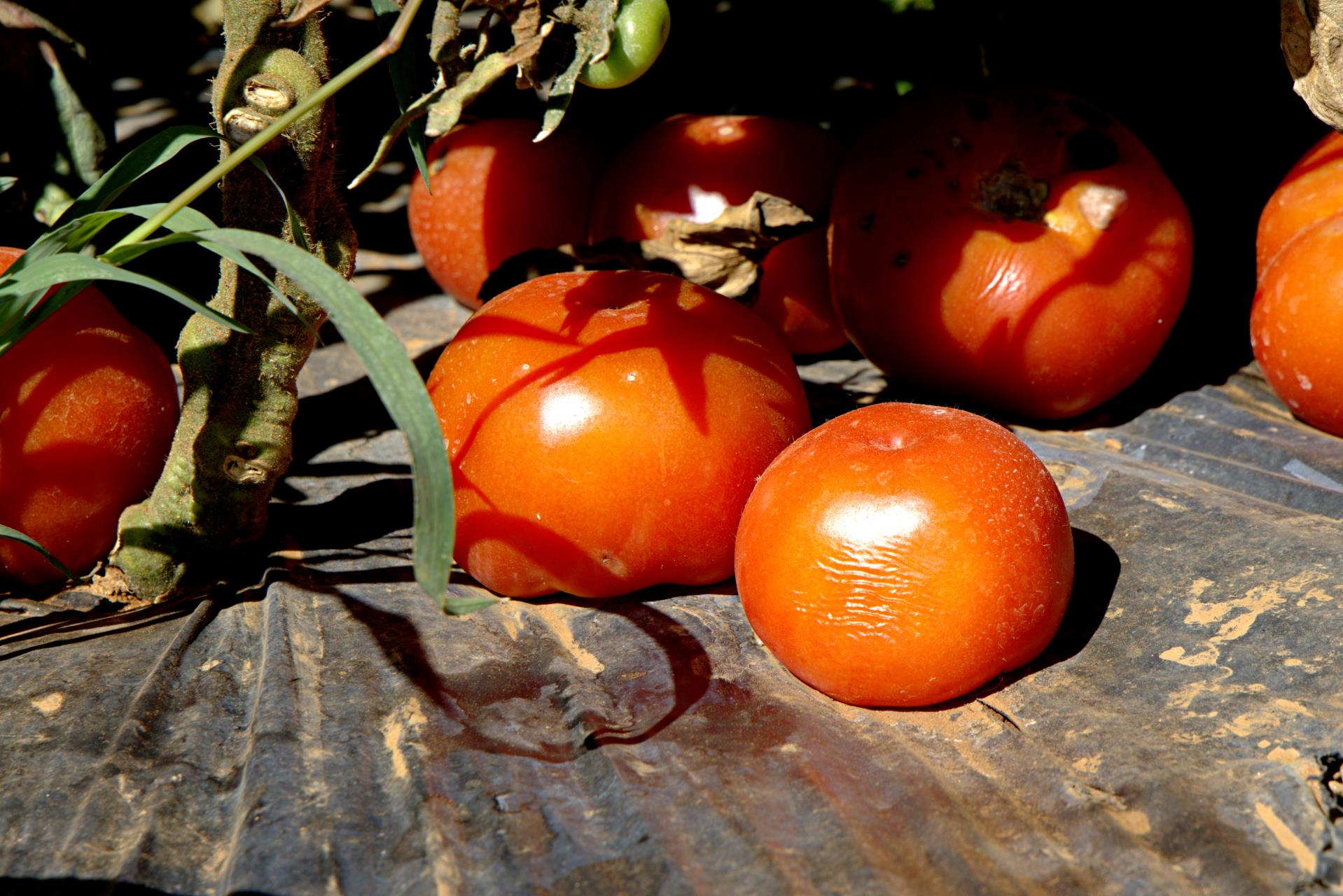
(Tomato trees and tomatoes from Scott's plantation)
When Scott Nguyen was growing up in Carnarvon, working on the family plantation was not the future he imagined for himself.
As a teenager, he would watch his friends head off to fish, play sport or enjoy their weekends while he was expected to help in the tomato patches. If he wanted something, whether it was a new pair of football boots or money to spend, his father Van expected him to work for it.
At the time, Scott did not always appreciate it.
Years later, after leaving Carnarvon, returning to help open a restaurant and eventually finding his way back to the plantation, he came to understand what his father had been teaching him.
“Nothing was given to us. You had to go work for it and earn it.”
Today, much of what Scott knows about growing was learnt from his father, and the work he once saw as an obligation has become a major part of his own life in Carnarvon.
Growing Up in Carnarvon
Scott was born in Melbourne in 1985, a year after his family arrived in Australia. In 1995, when he was about 10 years old, the family moved across the country to Carnarvon.
The move was a significant change for Scott. Coming from Melbourne, he did not particularly like Carnarvon for the first couple of years, but as he settled in, the town gradually became familiar.
He attended St Mary’s, which at the time went through to Year 10, before moving to Perth to complete Years 11 and 12.
Looking back, many of Scott’s strongest memories of growing up in Carnarvon are of simply being outside.
After school, he and his friends played football and cricket, rode their bikes down to the jetty to fish and spent weekends outdoors. If it rained, they played in the rain.
“We didn’t care about getting dirty,” he remembers.
Scott also remembers having plenty of places around town to spend time. There were bakeries, several newsagents, electrical stores, squash courts and a video arcade, while the jetty was always there for fishing.
It was a very different childhood from the one he had started in Melbourne, but over time Scott found his place in Carnarvon.
While he was growing up, his parents were finding theirs too.
When the Nguyen family arrived in town, Van had no background in horticulture. He had previously worked in factories in Melbourne, and the family’s move west came after years of finding it difficult to get ahead despite both parents working.
The early years in Carnarvon were not easy. The family initially lived in a Homeswest property and money was tight. Scott remembers periods when even the everyday costs associated with sending the children to school could be difficult for his parents to meet.
Van entered the horticultural industry through share farming. Scott remembers this as a common way for Vietnamese families to establish themselves in Carnarvon at the time, allowing them to work an existing property while sharing expenses and profits with the owner.
For Van, the first year was about learning. He had come from factory work in Melbourne and had to understand an entirely new industry, from fertilisers and chemicals to crops, weather and the practical decisions that came with working the land.
Making money was not his main concern at the beginning. He wanted to understand how to grow properly.
Over time, that knowledge became experience, and Van built a reputation for the quality of what he produced.
“He actually made a name for himself. Everyone knew his quality of tomatoes, his quality of watermelons.”
Scott remembers the amount of attention his father gave to his crops. After several days of heavy rain, Van once took a pump into the tomato rows and began removing the water so the ground could dry sooner and the family could return to picking.
It was the kind of work that happened long before the produce ever reached a market, and Scott was watching and learning from it even before he knew he would one day become a grower himself.
Learning the Value of Work
Some of the lessons Scott remembers most clearly from his father were taught through the ordinary things he wanted as a kid.
If he wanted a new pair of football boots, Van did not simply buy them for him. Scott would be sent out to work in the tomato patches or help with jobs around the plantation until he had earned enough to buy them himself.
At the time, it was not necessarily a lesson Scott appreciated. He was a young boy watching his friends enjoy their afternoons and weekends while he was being told to go out and work.
But when he finally bought those football boots, they meant something to him.
Scott remembers making them last two or three seasons. Later, when mobile phones became part of everyday life, he treated them much the same way, keeping one for four or five years, sometimes until he could barely see the screen.
“Nothing was given to us. You had to go work for it and earn it.”
Looking back, Scott understands what his father was trying to teach him. It was never really about the football boots. Van wanted his children to understand the effort behind the things they had and to appreciate them because they had worked for them.
“You just have more respect for it when you earn it yourself.”
Van taught him about the plantation in much the same way. There were rarely long explanations or step-by-step instructions. Instead, his father would give him a job and expect him to have a go.
Scott learnt by watching what his father did, getting his hands dirty and paying attention to what happened around him. When he did not understand something, he could ask, but much of his knowledge came through doing the work himself.
“All my skills on the plantation were taught through my dad.”
Despite everything he was learning, Scott had no intention of following his father into horticulture.
As a teenager, the plantation was the place he had to work while his friends were enjoying themselves.
“It was never on the cards.”
Finding His Own Way Back
After Year 10, Scott left Carnarvon to complete school in Perth. He later spent about half a year at TAFE before deciding formal study was not for him.
He remained in Perth and worked a variety of jobs, including factory work, deliveries and machinery-related roles.
For several years, plantation life remained back in Carnarvon.
Then, in 2006, Scott’s sister decided she wanted to open a restaurant and the opportunity brought him home.
The family purchased the former Dragon Pearl building opposite the Shire offices and opened an Asian restaurant later that year.
Scott had always had a knack for cooking, despite never formally training as a chef, so the family divided the work around their strengths. His sister managed the front of house while Scott worked in the kitchen. Their parents continued working on the plantation, and Scott would often help there in the mornings before heading into the restaurant.
The two sides of the family’s work naturally crossed over.
Where possible, they used locally grown produce in the restaurant, including celery, lettuce, tomatoes and capsicums. The family also grew Vietnamese herbs from seeds that had been shared locally.
The restaurant operated for around four or five years. When Scott’s sister eventually decided to move back to the city, Scott was faced with the prospect of running the whole business himself.
He decided it was not what he wanted, and the restaurant closed.
Scott returned to the plantation full-time.
By then, he was old enough to see the work differently.
Australia’s mining boom was drawing many young people towards well-paid jobs in the resources sector, including some of Scott’s friends. But Scott realised horticulture could offer him something different. At the time, he could earn a comparable income while working for himself, have some control over his own schedule and, once the season ended, sometimes take an extended break to travel.
The plantation he had never wanted as a teenager had begun to make sense on his own terms.
Growing with Pride
Almost 20 years after returning to the plantation full-time, Scott says the financial reality of horticulture has changed considerably, but over that time he has developed his own way of working.
He deliberately keeps his operation small, usually with only two or three people working on the property and extra hands brought in when needed for larger harvests such as watermelons.
Keeping things manageable allows Scott to remain closely involved with what is happening in the crop. He walks through the plants himself, watches for early signs of disease or other problems and keeps a close eye on the weather. If rain is forecast, he prepares beforehand rather than waiting to see what effect it might have.
That attention continues through to harvest. Scott is particular about the produce he sends to market and has a simple standard for deciding whether something should leave his property.
“If I won’t eat it, then I’m not going to send it for someone else to eat.”
It is a standard that carries particular meaning for Scott because he grew up watching his father build a reputation in much the same way. Van became known for the quality of his tomatoes and watermelons, and Scott remembers the care his father put into achieving that.
Today, Scott wants the produce leaving his own plantation to reflect the same level of care. For him, it is less about how much he can grow and more about being confident in what he puts his name behind.
But even when a grower does everything they can to look after a crop, there are parts of farming they simply cannot control.
The Risk Behind Every Crop
Scott describes farming as being almost like gambling.
The money goes into the ground first. There are seedlings, fertiliser, treatments, labour and the everyday costs of running a plantation, all paid long before the grower knows what the crop will eventually return.
“You put plants in, three months down the track, you’ll find out if you’re going to make money or not.”
Even then, producing a good crop is only part of the equation.
Weather can change everything. Conditions in another growing region can reduce supply and improve prices for Carnarvon growers. Just as easily, Carnarvon can be the region dealing with poor weather while growers elsewhere benefit.
For Scott, that uncertainty became very real this year when two cyclones affected the region while his watermelon crop was in the ground.
Knowing the weather was coming, he put additional work into protecting the plants. Once the cyclones had passed, he continued treating and caring for the crop, trying to give it the best chance of recovering.
For a while, the effort appeared to have paid off.
The plants continued growing and the watermelons looked good from the outside. As harvest approached, Scott cut several fruit open to check them. Most appeared fine, giving him enough confidence to begin sending the crop to market.
It was only after the watermelons arrived that problems inside some of the fruit became apparent.
Scott’s market agent, someone he had worked with for years, tried to help him through it. But Scott was faced with a decision. He could continue harvesting, packing and paying to send more watermelons south without knowing how much would be saleable, or he could stop.
He stopped sending them.
For someone whose standard is that he will not send something he would not eat himself, continuing with a crop he could no longer confidently stand behind was not an option.
“There’s three months of work gone down the drain.”
Those three months had already been paid for in more ways than one. There was the money that had gone into the crop, the mornings spent checking it, the extra work before and after the cyclones and the time spent bringing the watermelons almost all the way to harvest.
Until the fruit was opened, much of that work had appeared to have succeeded.
Then Scott had to absorb the loss and move on.
What the Customer Never Sees
The experience is one example of what Scott believes can be difficult to understand from outside the farm gate.
By the time someone sees a tomato or watermelon on a supermarket shelf, much of the story behind it is invisible.
The grower has already carried the cost and risk of producing it. There are seedlings, fertiliser, treatments, fuel and labour before harvest, followed by freight and market costs once the produce leaves Carnarvon.
Scott says those expenses have continued to increase during his time in horticulture, while the amount a grower receives for their produce has not always risen with them.
He remembers a different financial reality when his parents were establishing themselves in Carnarvon.
Even during their share-farming years, when the remaining profit had to be divided with the property owner, Scott remembers his parents being able to grow less and make a reasonable living.
Today, he can put considerably more into a season and still finish with little beyond covering the costs of keeping the plantation going.
For Scott, that has increasingly been the reality of the past four or five years.
Some seasons have provided enough to pay the bills, but little more. Savings from better times have gone back into the property, providing the money needed to plant again and have another go the following season.
Then the uncertainty starts again.
The crop goes into the ground, the costs begin accumulating and months of work follow before Scott knows whether that season will actually leave him any better off.
Working hard does not guarantee a good result.
A grower can prepare for the weather, watch the crop closely and do everything they know how to do, only for a cyclone, disease, poor market conditions or low prices to change the outcome.
It is a reality that has made Scott question how long he will continue in horticulture.
His parents are still involved in the plantation and are not yet ready to retire. For Scott, family remains one of the main reasons he keeps going.
When they eventually step away, he knows he will have a decision of his own to make.
If the industry returns to something closer to what he experienced when he first began farming full-time, Scott says he would probably stay. For now, however, his future in horticulture remains uncertain.
He remains on the plantation, preparing for the next crop and another season.
A Community Changing Around Him
Scott’s uncertainty about his own future in horticulture is part of a wider change he has watched take place around him.
Growing up within Carnarvon’s Vietnamese farming community, he remembers a time when families worked closely together.
If one family was planting tomatoes, three or four other families might arrive to help. With everyone working together, a job could be finished much sooner. Afterwards there might be a barbecue, and when another family was ready to plant, the group would come together again.
The support extended beyond helping each other on the plantation.
Scott remembers growers responding collectively when market prices became too low. Rather than continuing to pick and send produce, they could hold back, reduce supply and wait for the price to recover.
For Scott, those memories reflect a farming community that once relied heavily on one another.
He feels some of that has changed as the industry has become more competitive.
At the same time, he is watching another change take place. Many of the children who grew up on Carnarvon plantations are choosing not to follow their parents into horticulture.
Scott understands that decision because plantation life was not what he wanted for himself when he was young either.
The difference is that when Scott eventually returned to farming full-time, he could see a future in it. During the mining boom, he realised he could earn a comparable income to friends working away while remaining self-employed in Carnarvon. There was enough reward to make the work and uncertainty worthwhile.
He is less certain that the same proposition exists for the generation coming after him.
Young people can leave Carnarvon and find work that offers a regular wage without first putting months of their own money and labour into a crop and waiting to find out what it will return.
Scott knows only a small number of people around his age who have taken over their family plantations. He also knows farming families whose children have no intention of continuing once their parents step away.
That leaves him wondering who will be there to take their place.
“Unless this industry changes and gets more people interested in it, after my generation there might not be a farming community here.”
The Place That Became Home
While horticulture has become a major part of Scott’s life, his connection to Carnarvon has also been shaped by the people and communities he found away from the plantation.
Practical pistol shooting became one of Scott’s pastimes after he returned to Carnarvon in 2006. As he became more involved in the sport, his skills developed and he began competing beyond the local club. Scott went on to win his division at state level and later competed at a national event when it was held in Perth.
Work has meant he competes less frequently these days, but the club has remained an important part of his life.
For Scott, it is the people as much as the sport.
“The pistol club is like a family as well. Everyone helps each other out. We’re good mates.”
It sits alongside his family, friends and the Vietnamese community as one of the connections that has made Carnarvon home.
Scott remembers not particularly liking Carnarvon for the first couple of years after moving from Melbourne. Somewhere along the way that changed, although he cannot pinpoint exactly when. With his family, friends and different communities around him, he says Carnarvon has simply felt like home for a long time.
It is also a place he has watched change.
The town he remembers from childhood had places that have since disappeared. There were more shops, the video arcade, squash courts and the jetty where he and his friends would ride their bikes to fish.
“There’s less things to do here now than there was when I was a kid.”
For Scott, that change raises questions about what younger generations will find here and whether they will see enough opportunity to build their own lives in Carnarvon.
Yet despite his concerns about the direction of both the town and the horticultural industry, Scott continues to see people around him who care about Carnarvon and want to see it do well.
“You still got the locals here that still love Carnarvon and they still want to see it move forward.”
Family is here. His friends are here. The farming community that shaped much of his life is here, along with the smaller communities he has become part of over the years.
For someone who once struggled to adjust to life in Carnarvon, those connections are now what make it home.
What Gets Passed On
When asked what he is most proud of personally, Scott finds the question difficult to answer.
Much of what he is dealing with is still happening. The plantation is still going, his parents are still working, and Scott himself does not yet know whether horticulture will remain part of his future.
But there is little hesitation when he talks about the person who shaped him most.
“My dad.”
Scott learnt almost everything he knows about the plantation from Van, but the lessons that stayed with him were not limited to growing tomatoes and watermelons.
He remembers watching his father face difficult periods without spending too much time worrying about what other people were doing around him. Whatever happened, Van concentrated on his family and the work in front of him.
“That’s what my dad did. He just pushed forward.”
Scott recognises more of that influence in himself now.
“You just kind of don’t give up. You just keep going.”
It is also what he hopes to pass on to his own children.
When asked what he would want them, or future generations, to understand from his story, Scott returns to something he first learnt as a boy working in the tomato patches for the things he wanted.
“Nothing gets given to you. If you want anything, you gotta work for it. Nothing’s gonna fall in your lap.”
The circumstances are different now. Scott is no longer the boy wanting a new pair of football boots, and the work in front of him carries far greater uncertainty.
But the lesson has stayed with him.
“You just keep going. Just hope that one day it works out.”
Antoinette (Toni) Roe - "Country life is the best"
Published: August 2026
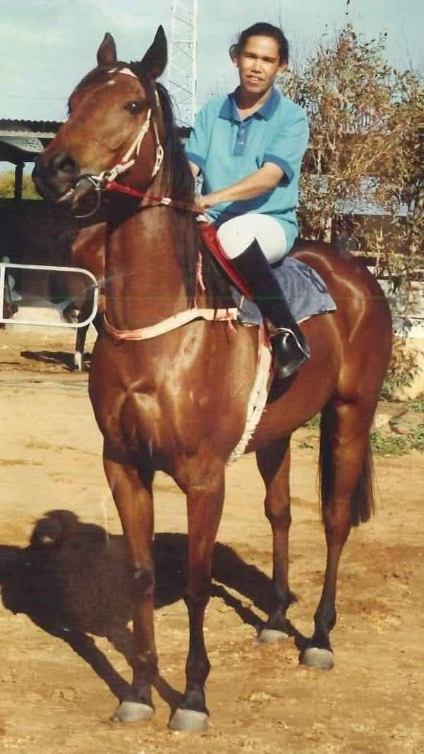
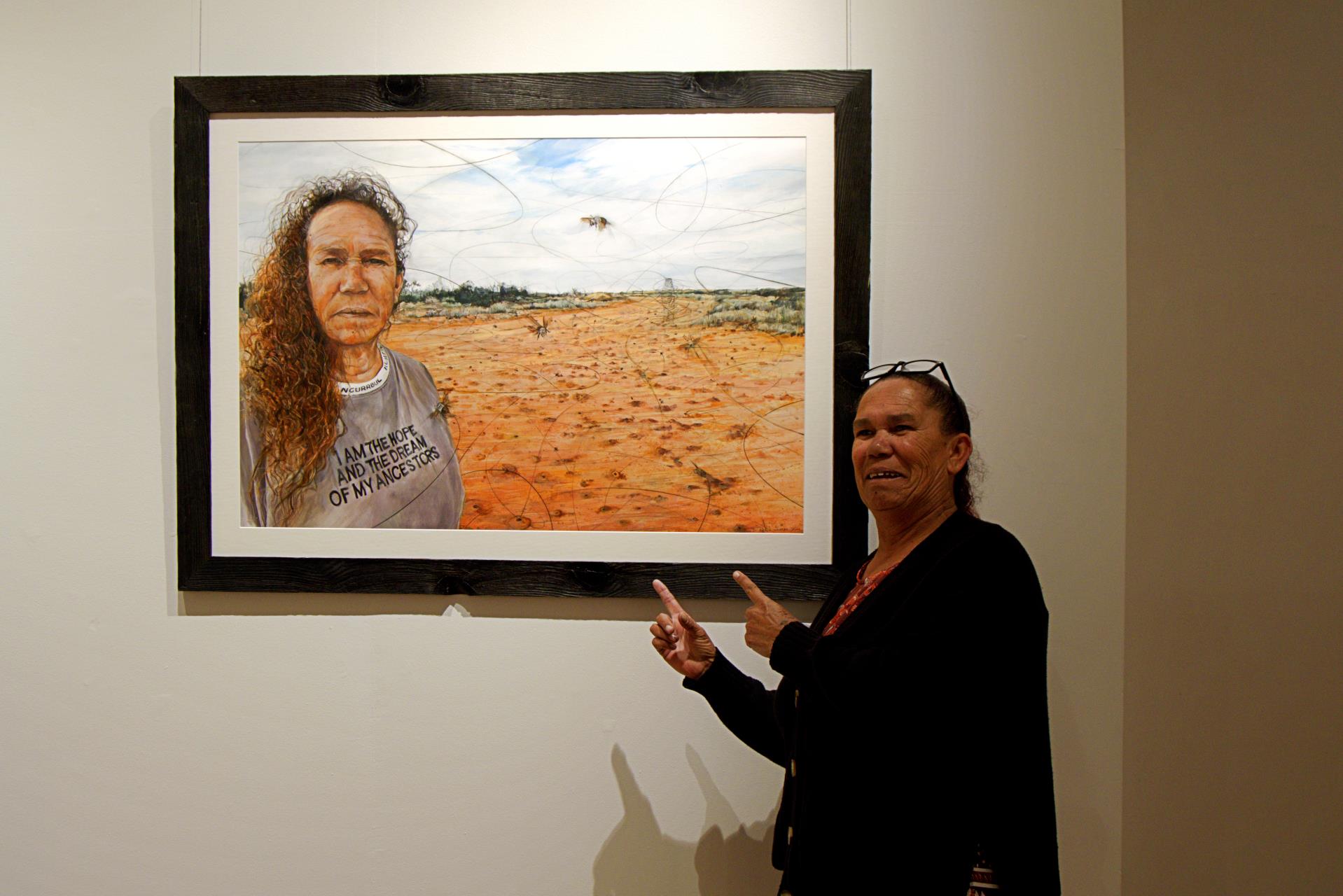
Left to right: (Toni with Ketchup Kid in the mid 80s, Toni with the Burrowing Bees painted by Sadie James for the Gascoyne Art Awards 2026)
Antoinette Roe doesn't hesitate when asked about her childhood.
Growing up in Carnarvon meant freedom. Days were spent outdoors, making the most of what the Gascoyne had to offer. There were no plans, no schedules and very few reasons to stay inside.
"We'd leave home in the morning and stay out all day. But as soon as the streetlights came on, we had to be home."
The Gascoyne River became a playground. She fished with family, climbed trees, explored the bush and rode horses whenever she had the chance. Every day seemed to hold another adventure, and every day brought another lesson.
Looking back, Antoinette remembers a community that was close-knit and welcoming.
"Everybody got on with everybody. It didn't matter what race they were."
It was simply the way Carnarvon was.
When asked who had the greatest influence on her life, Antoinette doesn't name one person.
"My grandfather, my grandmother and my mum."
Each helped shape the person she would become.
Her grandfather taught through example. He wasn't someone who sat people down for long conversations or explained things in detail. Instead, he believed people learnt by doing.
Whether he was working with horses or repairing cars, Antoinette was never far away, watching closely and asking questions.
Curiosity came naturally to her.
Her grandmother's influence was different.
Home was always filled with family, conversation and food. Decades later, Antoinette still talks about her grandmother's cooking with the same affection she did as a child.
"She made the best apple and rhubarb pie."
Simple memories like those have never left her.
Neither have the lessons quietly taught around the family home.
Respect.
Hard work.
Looking after one another.
They weren't things her grandparents spoke about often.
They simply lived them.
Of everything that captured Antoinette's attention growing up, horses became her greatest passion. Her grandfather was a respected Polo Cross champion, and his passion for horses had left a lasting impression on a young girl who rarely left his side.
Horsemanship ran deep in the family.
Owning one wasn't always possible, so she made the most of every opportunity she could find. After school she spent countless afternoons riding a friend's horse, helping clean the yards and caring for the animals as though they were her own.
That was where her connection with horses truly began.
One childhood memory still stands out.
Her grandfather knew one particular horse well.
She had asked him if she could lead horse, Noble.
Before she led Noble, he gave her a simple warning.
"Don't you bloody jump on him."
Like many determined young girls, Antoinette thought she knew better.
She climbed onto Noble anyway.
Within moments he bolted.
She hit the ground hard and the accident left her in hospital for 11 days.
For many people, that experience would have marked the end of riding.
For Antoinette, it became the beginning.
As soon as she recovered, she climbed straight back into the saddle.
The accident didn't take away her confidence.
If anything, it strengthened her resolve.
As a teenager, her grandfather and mother bought her first horse, Sago, a strawberry roan that became her constant companion for years.
From there, horses became much more than a pastime.
They became a way of life.
Weekends were spent at gymkhanas and local competitions through the Carnarvon Horseman's Club. Antoinette competed in barrel racing, flag races, bending races, keyhole events and show jumping, embracing every challenge with the same determination that had seen her climb back onto a horse after her accident.
One season proved especially memorable.
She won championship titles in both the barrel race and the trial class; achievements earned through years of commitment rather than luck. Horse riding was in her DNA.
Her involvement with horses didn't end when the competitions finished.
For several years she worked as a strapper for trainer Geoff Rodier, rising before dawn to prepare racehorses before training.
Among the horses she remembers most fondly were Ketchup Kid and Val De Prix, names well known on the local racing circuit.
The work demanded discipline.
Early mornings became routine.
Responsibility came before sunrise.
She loved every minute of it.
Years later, that same passion found its way into the next generation.
When her son developed an interest in horses, Antoinette encouraged him in the same way her family had encouraged her.
She even promised him a horse if he completed Year 12.
He kept his promise.
So did she.
Watching him compete brought back memories of her own younger years and reminded her how easily passions are passed from one generation to the next.
Looking back now, Antoinette realises horses gave her far more than ribbons or trophies.
They taught patience.
Commitment.
Responsibility.
Most importantly, they taught her that the strongest partnerships are built on trust.
They were lessons that would stay with her long after she left the competition arena.
Chapter Two
Although Antoinette enjoyed experiencing life beyond Carnarvon, she never imagined settling anywhere else.
Like many young people, Antoinette eventually moved away from Carnarvon.
She spent time living in Perth and later Mandurah, building a career and raising her family, but home always remained in the back of her mind.
"I always came back."
It wasn't simply because Carnarvon was familiar.
It was where her family was and where her memories lived.
And it was where she felt most connected.
Because Carnarvon had never really stopped being home.
Over the years, Antoinette worked in a variety of roles, each introducing her to different people and different parts of the community. She enjoyed meeting people and learning new skills, but one opportunity would eventually reconnect her with something much deeper.
It began with her mum.
Every week, her mum attended a group known as the Healing Circle. She hadn't joined for herself. She had gone to support Antoinette's older sister.
The women would gather together, yarn, support one another and weave.
Curious, Antoinette began tagging along.
"I used to just go and sit down with them."
There was no plan to become a weaver.
She simply enjoyed being around the women.
Listening.
Watching.
Learning.
Over time, weaving became part of her own life.
As the group grew, her mum and several friends formed a weaving group of their own.
They called themselves the Jilinbirri Weavers.
The name came from the Mudlark, a small black and white bird known for weaving intricate nests. It seemed the perfect symbol for a group of women bringing strands together to create something lasting.
What started as a small gathering soon developed into something much bigger.
The Jilinbirri Weavers became well known throughout the Gascoyne.
Local organisations invited them to run weaving workshops, and before long they were travelling throughout the region, visiting Exmouth, Shark Bay, Mullewa and Geraldton, introducing others to the craft.
The workshops were never just about teaching people how to weave baskets.
They were about spending time together.
Sharing stories.
Learning from one another.
The women began using raffia, but Antoinette's curiosity encouraged them to look beyond manufactured materials.
They experimented with natural fibres instead.
Banana trunks.
Date palms.
Native grasses.
Every material behaved differently.
Some were stronger.
Some were softer.
Some required more preparation before they could be woven.
Each discovery opened another door.
The landscape itself became a teacher.
The more they experimented, the more Antoinette appreciated the knowledge held by the women around her.
Nobody kept secrets.
If someone discovered a better way of preparing fibres or weaving a particular pattern, they shared it.
That was simply how the group worked.
The opportunity to travel to New Zealand for an indigenous weaving symposium became one of the highlights of Antoinette's life.
Weavers from Indigenous communities across the world gathered to share techniques, stories and traditions that had been passed through generations.
Although every culture was different, Antoinette noticed something they all had in common.
Everyone understood the importance of protecting knowledge by sharing it.
She watched Māori weavers harvest flax, prepare natural dyes and create intricate woven garments using techniques refined over centuries.
The experience stayed with her long after she returned home.
It reinforced something she had been learning throughout her life.
Knowledge grows stronger when it is shared.
Not long after, another opportunity emerged.
Antoinette had previously spent five years working at Gwoonwardu Mia Gascyone Aboriginal Heritage and Cultural Centre before it closed.
When plans were made to reopen the centre, she returned to help prepare it for a new chapter.
Working alongside staff from the Western Australian Museum, she and Justine Campbell helped bring the cultural centre back to life.
She knew the collections.
She knew the stories.
She knew where everything belonged.
Visitors arrived wanting to learn about the Gascoyne and its Aboriginal history.
Antoinette found herself sharing stories almost every day.
Without realising it, everything she had learnt from her grandparents, from the Healing Circle and from the Jillinbirri Weavers had been preparing her for this role.
It was at Gwoonwardu Mia that she met one of her Elders, Maureen.
Known affectionately as Gran Maureen, she carried a remarkable knowledge of Country.
The two formed a close friendship for years, with a tight-knit connection to Country and culture.
Antoinette had immense respect for Gran Maureen.
And meeting Gran Maureen would become one of the defining moments of her life.
Chapter Three
Antoinette had an opportunity to spend time on Country with Grand Maureen during a trip to the Kennedy Ranges.
She joined Gran Maureen, Gran Peace and Gran Lin on what she thought would simply be another day learning about the landscape.
Instead, it became a turning point.
They left early in the morning and headed out to look for the burrowing bees.
At the first site, they searched carefully.
Nothing.
There wasn't a single bee to be found.
Rather than giving up, they packed everything away and travelled to another location.
This time, it was different.
As they walked across the sandy ground, tiny bees began emerging from their burrows.
For Antoinette, it was an experience of a lifetime.
She had grown up around Carnarvon and, like many locals, had walked past the small holes in the ground countless times without ever knowing what they were.
Standing beside Gran Maureen changed that.
The bees were no longer something hidden beneath the sand and clay pans.
They became part of a much bigger story about Country, seasons and knowledge that had been passed from one generation to the next.
From then on, Gran Maureen continued sharing what she knew.
The lessons didn't happen in classrooms.
They happened while walking.
Watching.
Listening.
Over time, Gran Maureen shared her knowledge of the burrowing bees with Antoinette. Their time together on Country gradually became more than simply learning about a unique native species. It was about understanding the stories, responsibility and respect that surrounded them.
Looking back, Antoinette reflects on that relationship simply.
"She chose me."
Antoinette came to understand that Gran Maureen trusted her to continue sharing those stories with future generations.
Grand Maureen wasn't giving her ownership of the bees.
She was entrusting her with the responsibility of continuing their story.
To help people understand why they mattered.
To make sure the knowledge wouldn't be lost.
For Antoinette, it was an honour.
It was also a responsibility she never took lightly.
Each year, when the burrowing bees emerge, she now shares that knowledge with locals, visitors and school groups from across the region in her tours.
Many people arrive with misconceptions.
They hear the word bee and immediately think of stings.
Antoinette smiles when she hears the question because she has answered it countless times before.
She explains that the burrowing bees are gentle native bees.
They are not aggressive.
Each female creates her own burrow beneath the ground rather than living in a large hive.
They have quietly existed in the Gascoyne for generations.
Most people simply never realised they were there.
That moment of discovery is one of Antoinette's favourite parts of every tour.
She asks people to slow down.
To stop, look out into the distance.
To look at the ground beneath their feet.
At first, they see nothing.
Then someone notices a tiny hole.
Another person spots one nearby.
Before long, the ground seems alive with small entrances that had been hidden in plain sight all along.
Children are often the first to see them.
Adults quickly follow.
The questions begin almost immediately.
"Do they sting?"
"How long have they been here?"
"Why are they only found here?"
Every answer becomes another opportunity to share what Gran Maureen once shared with her.
For Antoinette, the tours have never simply been about bees.
They are about helping people understand Country.
About encouraging people to look more closely at the world around them.
About recognising that even the smallest creatures have an important place.
The tours have also become a way of protecting the bees.
People are far less likely to fear something once they understand it.
And once they understand it, they are far more likely to protect it.
That, Antoinette believes, is where conservation begins.
Not with fences or signs.
But with knowledge shared from one person to another.
It is the same way she learnt.
And the same way she now teaches.
Chapter Four
Looking back across her life, Antoinette rarely speaks about achievements.
Instead, she remembers people.
Her grandfather, who taught her by example and sparked a lifelong love of horses.
Her grandmother, whose home was always full of family, conversation and good food.
Her mum, who unknowingly introduced her to weaving and opened the door to a community of women who would become lifelong friends.
Grand Maureen, who trusted her with knowledge that could never be found in a book.
Each person left something with her.
Each helped shape the person she would become.
Today, Antoinette finds herself in the same position they once held.
She is now the one sharing stories.
Whether she is guiding a burrowing bee tour, speaking with visitors at Gwoonwardu Mia or introducing someone to weaving, she hopes people leave with a deeper appreciation of Country and the knowledge it holds.
One memory, however, stands above the rest.
During one of her burrowing bee tours, Antoinette found herself talking about the future.
"You know, when Nan's not around anymore..." she said to her grandson, Corey Jnr.
Before she could finish, he interjected.
"Yes Nan," he replied.
"I know. I'm doing the bee tours."
The moment caught her completely by surprise.
Without anyone asking him to, he had already begun carrying the stories with him. Simply by walking beside his grandmother, listening to her speak and watching the way she shared her knowledge, he had quietly become the next generation of storyteller.
Without anyone asking him to, he had been learning.
He had watched.
He had absorbed the stories simply by spending time beside his grandmother.
And more often than not, be the one leading the tours, explaining all about the bees.
Today, Antoinette looks across four generations of her family with enormous pride.
She sees the same curiosity in her grandchildren that once led her to spend every spare afternoon around horses and later to sit quietly beside women weaving baskets.
She hopes they grow up with the same respect for Country and the same willingness to keep learning.
For Antoinette, that is the real legacy.
Not the competitions she won.
Not the places she travelled.
Not even the recognition she has received for the burrowing bees.
Those are milestones.
The true legacy is knowing the stories will continue.
That future generations will understand why the burrowing bees matter.
Why weaving matters.
Why listening to Elders matters.
Why spending time on Country matters.
Because once those stories are shared, they belong to everyone willing to carry them forward.
When asked what advice she would leave for future generations, Antoinette doesn't speak about success.
This is Antoinette's message: "Be respectful. Respect people. Respect your Elders. Respect Country. Listen, keep learning and, when someone shares knowledge with you, pass it on."
She speaks about respect.
Respect your Elders.
Respect one another.
Respect Country.
Take the time to listen.
Never stop learning.
And if someone shares their knowledge with you, value it enough to pass it on.
The people who shaped Antoinette's life did exactly that.
Her grandparents.
Her mum.
Her Elders.
David (Dave) Bauer - "I came here... it's like paradise"
Published: July 2026
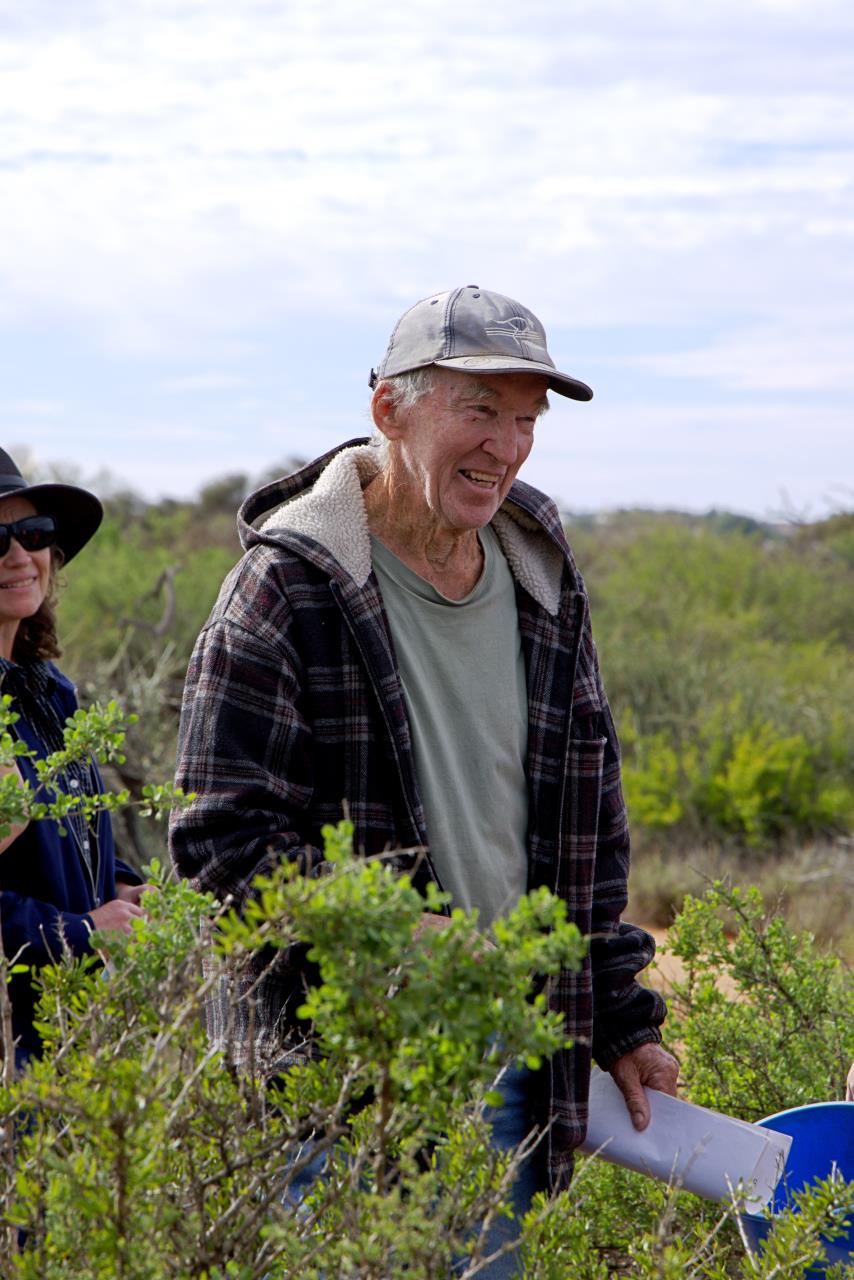
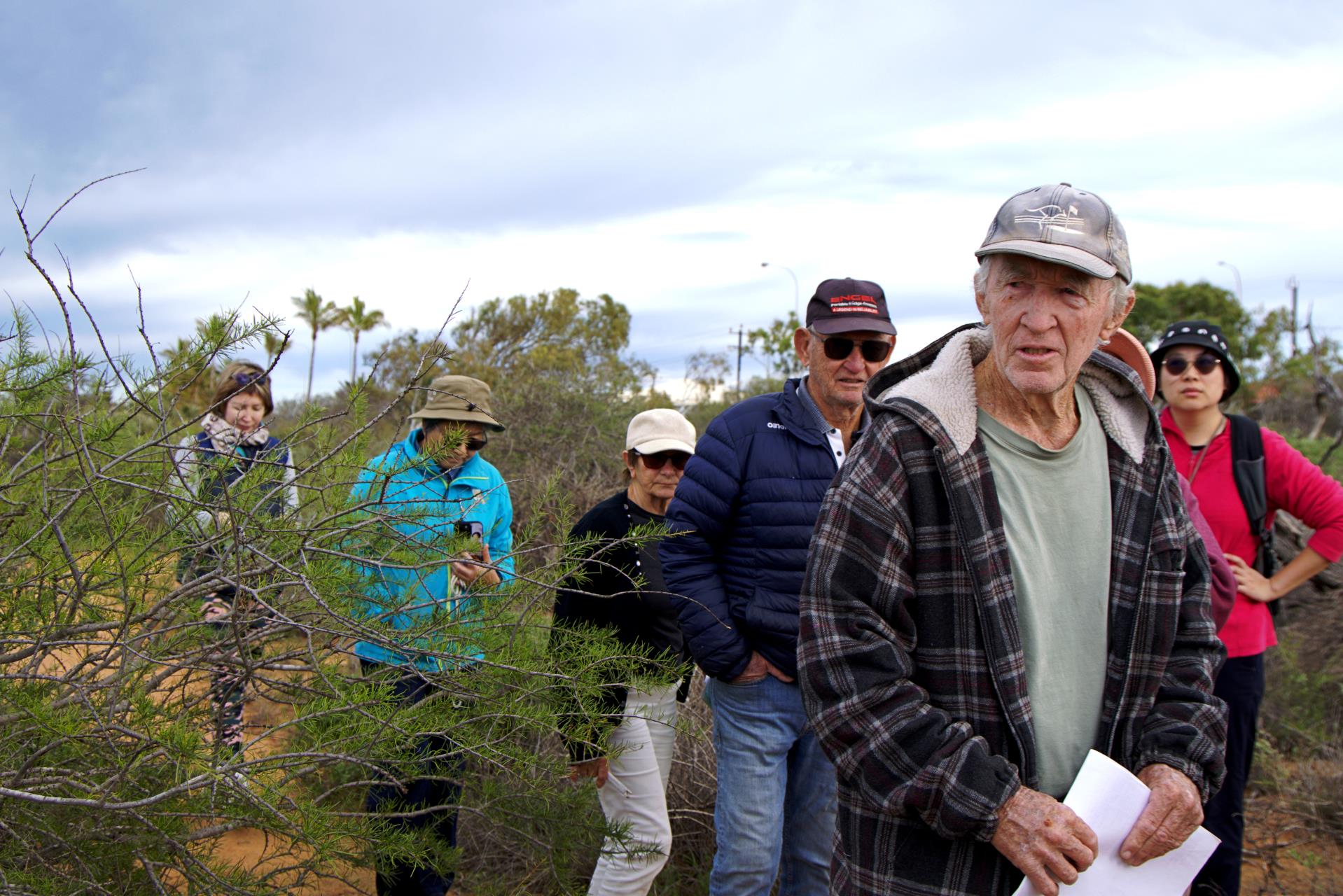
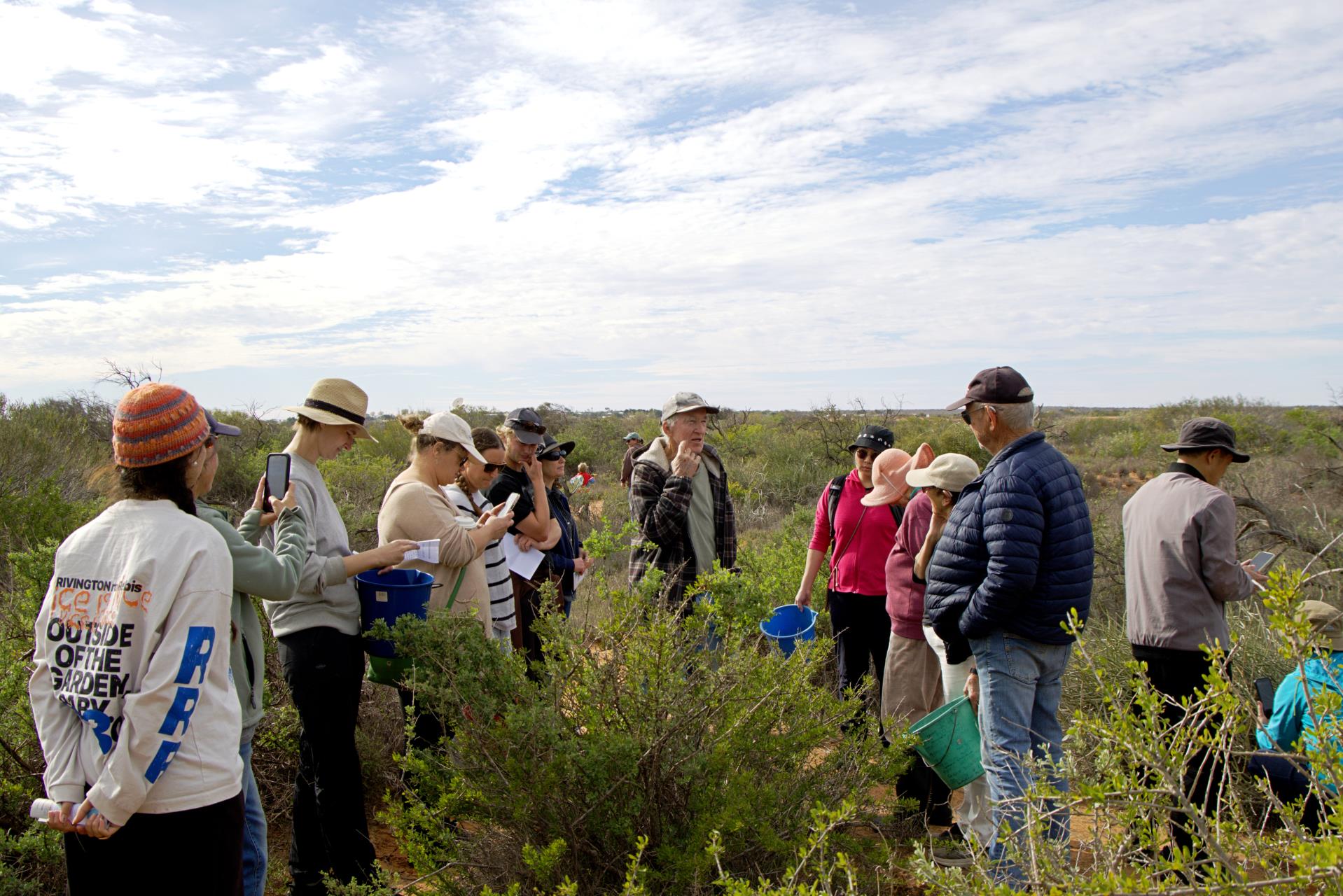
When Dave Bauer first arrived in Carnarvon in the early 1970s, he was not looking for a place to settle down. He was a young man travelling Australia, taking on whatever work came his way and wondering where the next opportunity might lead. Carnarvon was simply another stop on the journey.
Or so he thought.
More than fifty years later, Dave is still here.
In that time, he has become one of Carnarvon’s quiet custodians. Generations remember him from the Carnarvon Pool, where he spent almost two decades as manager. Others know him through the Robinson Street Arboretum and the Carnarvon Tree Society, where his passion for native plants has helped preserve an extraordinary collection of local species. Countless schoolchildren have walked beside him through the bush, learning from someone whose enthusiasm remains as strong today as it was half a century ago.
Yet if you ask Dave about his life, he will not begin with any of those things.
He will take you back to an orchard.
Growing up in western Sydney around Parramatta and Blacktown, Dave describes his childhood as “pretty rough.”
“It was pretty rough. But it toughened us,” he says.
While life outside the family home could be challenging, home itself was filled with fruit trees, gardens and hard work. Dave’s father managed an orchard, and it was there that a lifelong interest quietly began.
“The whole thing started when I was a young fellow at home in my father’s orchard,” Dave recalls. “I picked up all my gardening habits from my father.”
Their property stood in stark contrast to those around it.
“The whole place was chock-a-block full of trees,” he laughs. “Next door, absolutely nothing, just lawn. Chalk and cheese.”
People noticed.
“They used to say, ‘They’re crazy the Bauers.’”
Looking back, perhaps they were.
Long before native gardens became popular, the Bauer family saw value in filling every spare corner with something that could grow. For Dave, those early years were not just about learning to garden. They taught him patience, observation and an enduring appreciation for the natural world.
After finishing school, Dave joined the airline industry as a Junior Executive Trainee. It was secure work, but the routine did not hold him for long.
Adventure was calling.
At just 18, he bought an old FJ panel van and headed west, determined to see Australia for himself.
The years that followed were anything but ordinary. Dave worked wherever opportunity appeared, as a fisherman, bricklayer, labourer, farm worker and salesman.
“You name it, I’ve sold it,” he jokes.
Each job taught him something new, and each town became another chapter in a life still unfolding.
Eventually, that journey led him to Carnarvon.
He applied for the role of manager at the Carnarvon Pool and got the job, later discovering he had been the only applicant.
The plan was simple: stay for a while, earn some money and move on.
For a time, that is exactly what he did. He even headed north, intending to continue to Darwin.
But Carnarvon had a way of calling him back.
Without really planning it, it became home.
“I’ve been here 50 years,” he says with a laugh. “It’s magic.”
For almost twenty years, Dave managed the Carnarvon Pool. Yet his passion for planting never took a back seat. Where others saw empty garden beds, Dave saw opportunity. Trees appeared, gardens grew, and the space was transformed.
“I completely covered the pool with trees.”
The interest that began in his father’s orchard followed him across the country and found fertile ground in Carnarvon.
It was not long before that passion expanded beyond the pool.
Dave’s work in revegetation took him across the Gascoyne and Pilbara, collecting native seed and working with pastoral stations, mining companies and government agencies to restore landscapes disturbed by development. Each project deepened his understanding of the remarkable plants that thrive in arid environments.
Ask him how much he knows today, though, and he will laugh.
“You’d need to be about 300 years old to know half of it.”
Even after decades of experience, Dave still considers himself a student of the environment. There is always more to learn.
That curiosity eventually led him to a patch of land on Robinson Street.
Today, the Robinson Street Arboretum is one of Carnarvon’s hidden treasures, a peaceful reserve where visitors can wander among native plants uniquely adapted to the Gascoyne. When Dave first became involved, however, it was little more than open ground waiting for purpose.
The Shire approached him with an idea.
“They said they’d like someone to manage the town Arboretum for the community,” Dave recalls.
He did not hesitate.
For Dave, it was not simply another project. It was an opportunity to protect something uniquely local.
“This whole place was started as a water-wise project,” he explains.
Rather than relying on introduced species, the vision was to showcase plants that had evolved naturally in the region, species that belong to the Gascoyne and have survived its harsh climate for thousands of years.
The idea was simple.
Collect local seed.
Grow local plants.
Let the landscape tell its own story.
Progress was slow. Seed was gathered by hand, cuttings propagated, and young plants protected from rabbits, heat and the elements. There were setbacks, but Dave never saw them as failures.
Nature, he believed, would decide what survived.
“We’ve let Mother Nature decide what’s going to grow and what’s going to die,” he says. “You’ve got to work with Mother Nature.”
The Arboretum was not built quickly, nor by one person. It grew through volunteer hours, community working bees, successful grants and people who believed in its value.
One of those people was Les.
Over the years, Dave and Les formed a strong partnership, collecting seed, documenting species and helping shape the Arboretum into a place where people could both enjoy and learn from the environment.
“Les is sort of taking over a lot of my stuff,” Dave says with a smile.
There is no sense of ownership in the remark, only pride.
For Dave, knowledge has never been something to keep. It is something to share.
That philosophy has shaped much of his life’s work. Whether speaking with volunteers, visitors or strangers, Dave is happiest when someone asks a question.
Because every question begins a conversation.
And every conversation is a chance to help someone see the landscape a little differently.
Over time, the Arboretum became more than a collection of plants.
It became a classroom without walls.
School groups walk its tracks. Families return on weekends. Visitors discover species they have passed all their lives without noticing.
Those moments are as rewarding as watching a seedling grow.
Because while trees take years to establish, curiosity can begin in an instant.
Dave comes alive when he is sharing what he knows.
“The questions that are asked… I survive off questions,” he says. “Some of their questions astound me. They’re thinkers. They’re only young, but crikey, they impress me.”
He does not see himself as the expert at the front of the group.
He sees himself as someone still learning alongside them.
“I’ve got a lot of time for young people,” he says. “I really have. I get energised from them.”
For Dave, passing on knowledge is not a responsibility.
It is a privilege.
One memory stands out. After visiting a school, Dave was invited back to see the students’ artwork. Among the paintings, one showed him with “stuff growing out of me ears, nose, head,” he recalls, laughing.
On another occasion, after a school visit, families began arriving at the Arboretum. The children had gone home talking about what they had learned and wanted to show their parents.
For Dave, that was one of the most rewarding moments of all.
The lesson had not ended. It had travelled home.
“I get boosted with that,” he says quietly.
Dave believes people connect to the environment by spending time in it, by growing something, watching it change and understanding where food comes from.
“Doing things like planting a home garden… you get attached,” he says. “Gardening is a great tool for the mind.”
Through the Arboretum, Dave creates a space where people can slow down, look closely and notice what is around them. In doing so, they begin to understand the environment in a more meaningful way.
After more than fifty years in Carnarvon, Dave still approaches each day with the same curiosity that began in his father’s orchard.
He still collects seed.
Still walks the bush.
Still asks questions.
Perhaps that is the secret to the life he has built, not that he ever believed he knew everything, but that he never stopped wanting to learn.
Today, his priorities have shifted.
“My life now is three things,” he says.
“Family, family and family.”
It is a simple answer.
After a lifetime of giving to his community, his greatest appreciation is for those closest to him.
Yet the community remains close to his heart.
Whether welcoming visitors, chatting with volunteers or encouraging a child to ask one more question, Dave continues to do what he has always done:
Quietly sharing what he knows.
Not because anyone asked him to, but because he believes knowledge is worth passing on.
And perhaps that is his greatest legacy.
Not just the thousands of native plants growing throughout the Robinson Street Arboretum, but the curiosity he has planted in the people who have walked beside him.
The trees will continue to grow.
So too will the knowledge.
Because that is how Dave always hoped it would be.
Dave’s message is to: “Stay in cruise control. Conserve your energies. Look at what other people are doing. Be appreciative. Have respect. Respect virtually everything.”
Respect people.
Respect nature.
Be kind to yourself and to others.
Stay curious.
Grow something.
Learn where your food comes from.
And remember:
“Look after the environment and it’ll look after you. If you don’t, it’ll come back and bite you. You can have longevity and health… purely by having an affinity with Mother Nature.”
Toni Edney - Yinggarda Woman, Local Artist
Published: June 2026
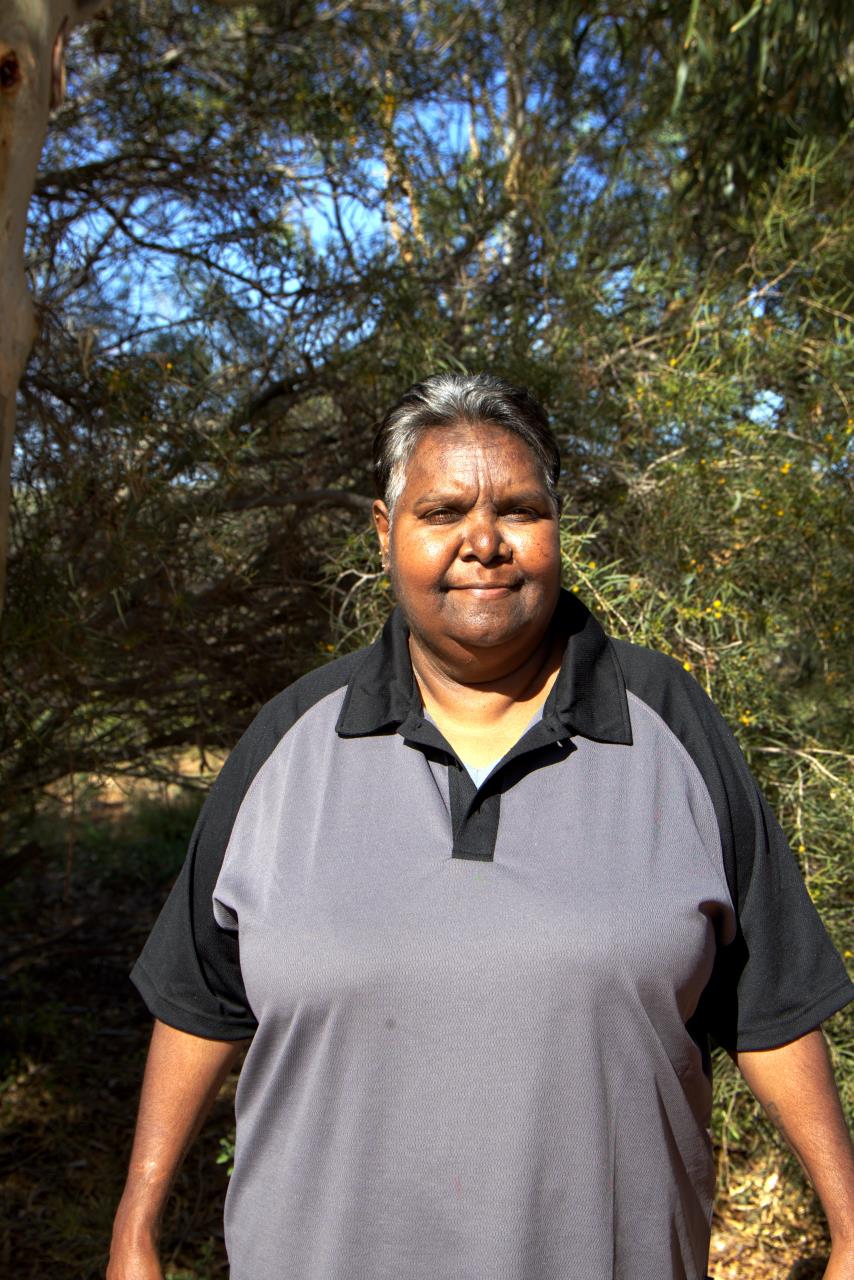
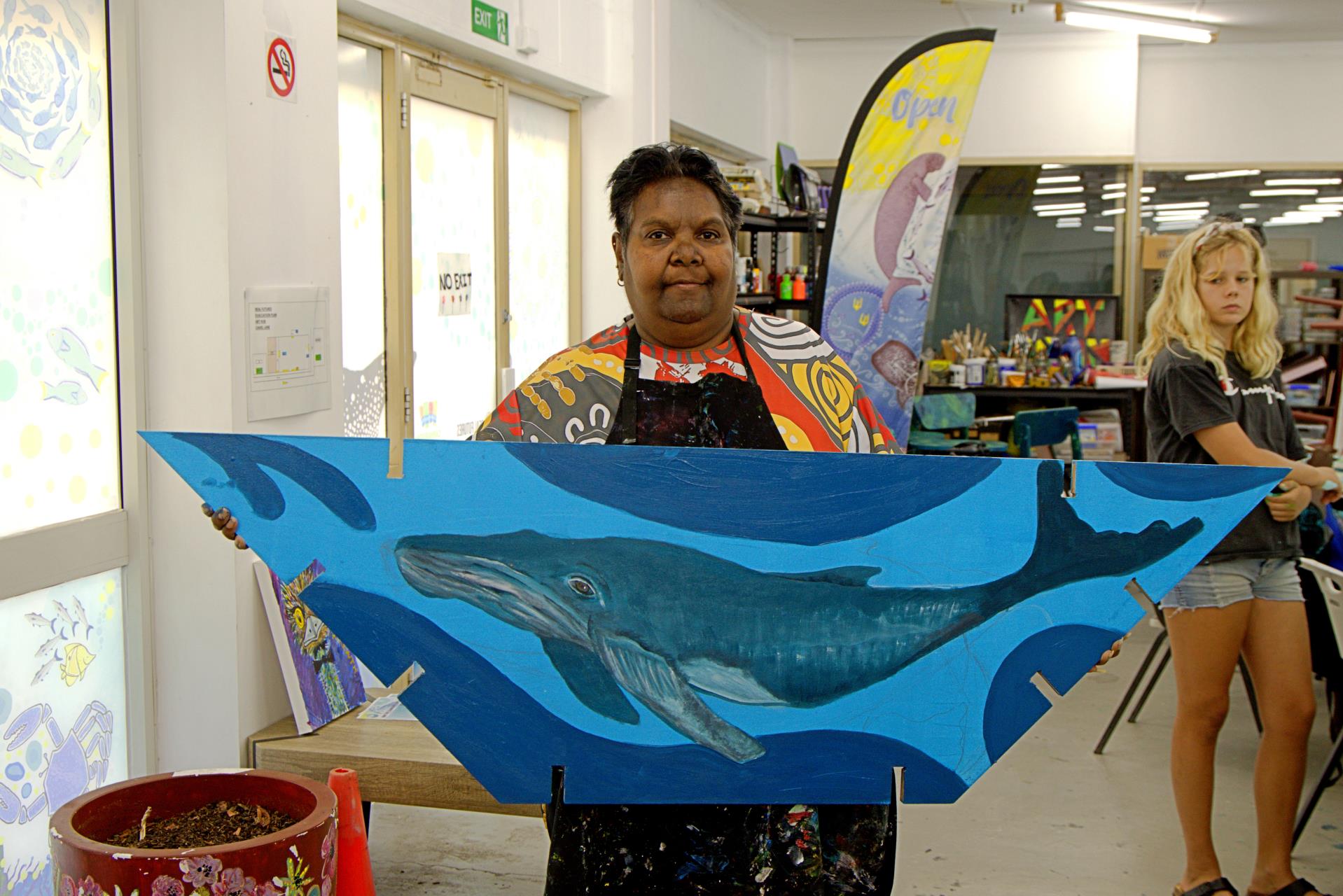

Local artist Toni Edney is a proud Yinggarda woman whose story is deeply connected to Country, culture, resilience and community.
Born in Carnarvon, Toni's roots stretch across the Gascoyne. Her mother is from Gascoyne Junction, her father from Burringurrah, where she spent much of her childhood.
Toni remembers a time when community was at the heart of everyday life.
"Everyone respected everyone, like friends and families, and everyone was connected altogether," she said. "That's how it was back in my young days, and everyone was happy."
Life was simple. Toni lived alongside her parents, siblings and Elders, learning to live off the land. The family hunted for food, gathered water from river soaks and spent their days exploring the country around them. She recalls swimming in waterholes, searching for emu eggs among the spinifex, and learning from the old people who shared stories, culture and knowledge of Country.
It was also where her love of art began. As a child, Toni used charcoal from campfires to draw on gum tree bark, illustrating the hills, sand dunes and landscapes that surrounded her. Inspired by the old people who raised her, she also carved emu eggs using makeshift tools. One of her earliest artworks was a drawing of the hills around her home, a sign that creativity had always been part of who she was.
Growing up with strong cultural connections, Toni spent much of her time listening to Elders share stories and knowledge about Country. Today, she still feels a strong connection to those places and the people who came before her.
"When I go down to the river, I feel the old people's presence," she said. "I can hear the birds and the trees, and I'm at peace."
In the 1990s, Toni left Carnarvon with her son and spent many years travelling from town to town. Following the loss of her son, she returned to Carnarvon in 2016 to be close to him. Arriving with little more than a bag, she faced homelessness and one of the most difficult periods of her life.
Despite the challenges, Toni remained determined to keep moving forward. She credits her son as her greatest inspiration and still carries his words with her today.
"Don't give up painting, Mum. You've got beautiful paintings. No matter which way the wind blows, keep painting."
Those words became a source of strength during some of the most difficult periods of her life. Rather than falling into the traps of negative influences and vices, Toni stayed focused on her art and rebuilding her life.
"Painting is a healing for me. It brings peace to my soul and lifts my spirit up," she said.
With support from the community, she gradually found her feet again. She became an Artist in Residence at the Cultural Centre before eventually joining the Community Art Hub, where she now helps facilitate workshops, school holiday activities and creative programs for local children and families.
Today, Toni enjoys meeting new people, sharing stories and encouraging others to connect with Aboriginal culture and Country. One of the most important lessons passed down by her parents and Elders was to respect other people, a value she carries with her every day.
Looking ahead, Toni hopes to continue sharing her stories, culture and connection to Country with younger generations.
Her message to the community is simple: bring people together, show respect, celebrate culture and understanding, and create a community where everyone can be happy.
A strong Yinggarda woman, Toni continues to draw strength from her culture, her Country and the people around her, proving that with a good mindset, good people and a strong sense of purpose, it is possible to keep moving forward.
Marco Boric - Local Grower
Published: May 2026
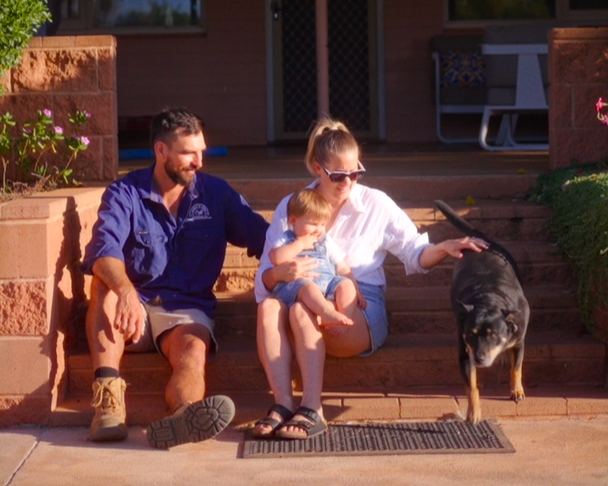
Marco Boric knows firsthand what makes Carnarvon such a special place to live and work. Born and raised in the region, Marco now operates as a local grower, producing everything from capsicum and sweet corn to pumpkins, mangoes, watermelon, beans and chillies.
He says Carnarvon’s combination of good soil, reliable water and ideal weather conditions creates incredible opportunities for agriculture and supports one of Western Australia’s most productive growing regions.
But for Marco, the lifestyle and community are just as important as the industry itself.
Now raising a family of his own in Carnarvon, he values being able to give his daughter the same upbringing he experienced, growing up connected to the land, the community and the outdoors.
Outside of farming, Marco and his family enjoy making the most of the region’s coastline through fishing, surfing and camping, something he believes adds to the unique lifestyle opportunities available in Carnarvon.
“There’s so much opportunity, so many sectors to work in, and community’s huge in these small country towns,” Marco said.
His story reflects the strong connection between industry, lifestyle and community that continues to make Carnarvon an attractive place for families, workers and businesses alike.
Brad and Katie Bittersweet Farewell
Published: May 2026
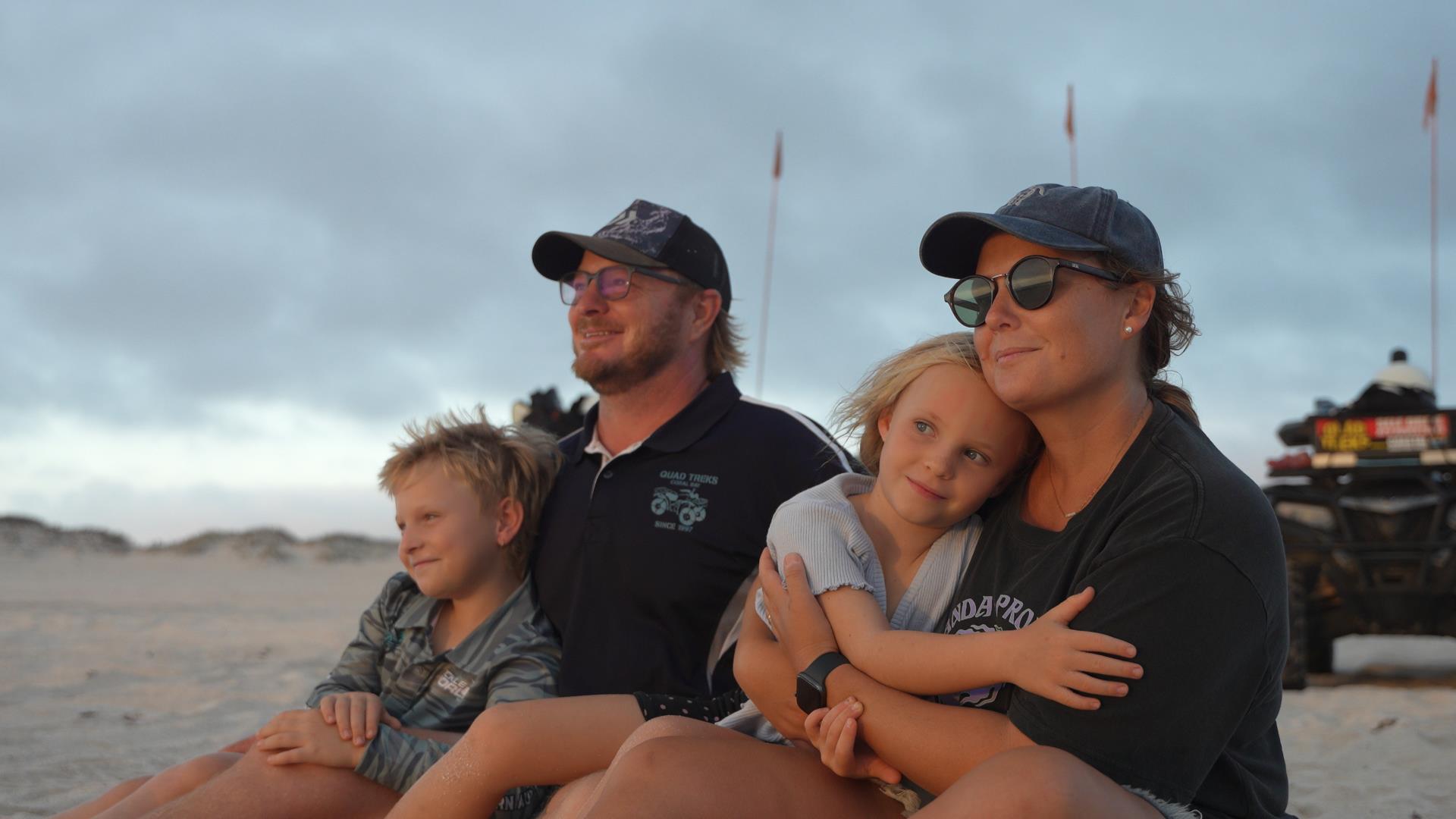
After more than two years in Coral Bay, Brad and Katie are preparing to begin a new chapter in Exmouth, leaving behind a lasting impact on the small coastal community they came to call home.
Originally arriving in Coral Bay while travelling around Western Australia with their family, what was meant to be a short stay quickly turned into something more. Drawn in by the lifestyle, ocean and close-knit community, the family decided to stay and became deeply involved in community life.
During their time in Coral Bay, Brad contributed through volunteer and community roles including the Coral Bay Progress Association, St John and emergency service support. As Chair of the Coral Bay Progress Association, he helped represent the broader community and supported local events and initiatives aimed at maintaining the unique community spirit Coral Bay is known for.
From Australia Day and ANZAC Day events to Christmas celebrations and community projects, Brad and Katie consistently gave their time to support the town and its people. Katie also played an important role through her work as a nurse, supporting residents and visitors alike in a remote coastal community.
Katie also played an important role in the community through her work as a nurse, supporting residents and visitors alike in a remote environment where healthcare and community connection are especially valued.
Brad reflected that one of the things that made Coral Bay so special was the way the community continually came together to support one another, particularly during emergencies and challenging times.
When asked what they will miss most, the answer was simple: “The people. The community.”
The Coral Bay community thanks Brad and Katie for the care, energy and commitment they have brought to the town and wishes them all the very best for the future.
Karen Ryan ("Big Momma"): Local Artist
Published: April 2026
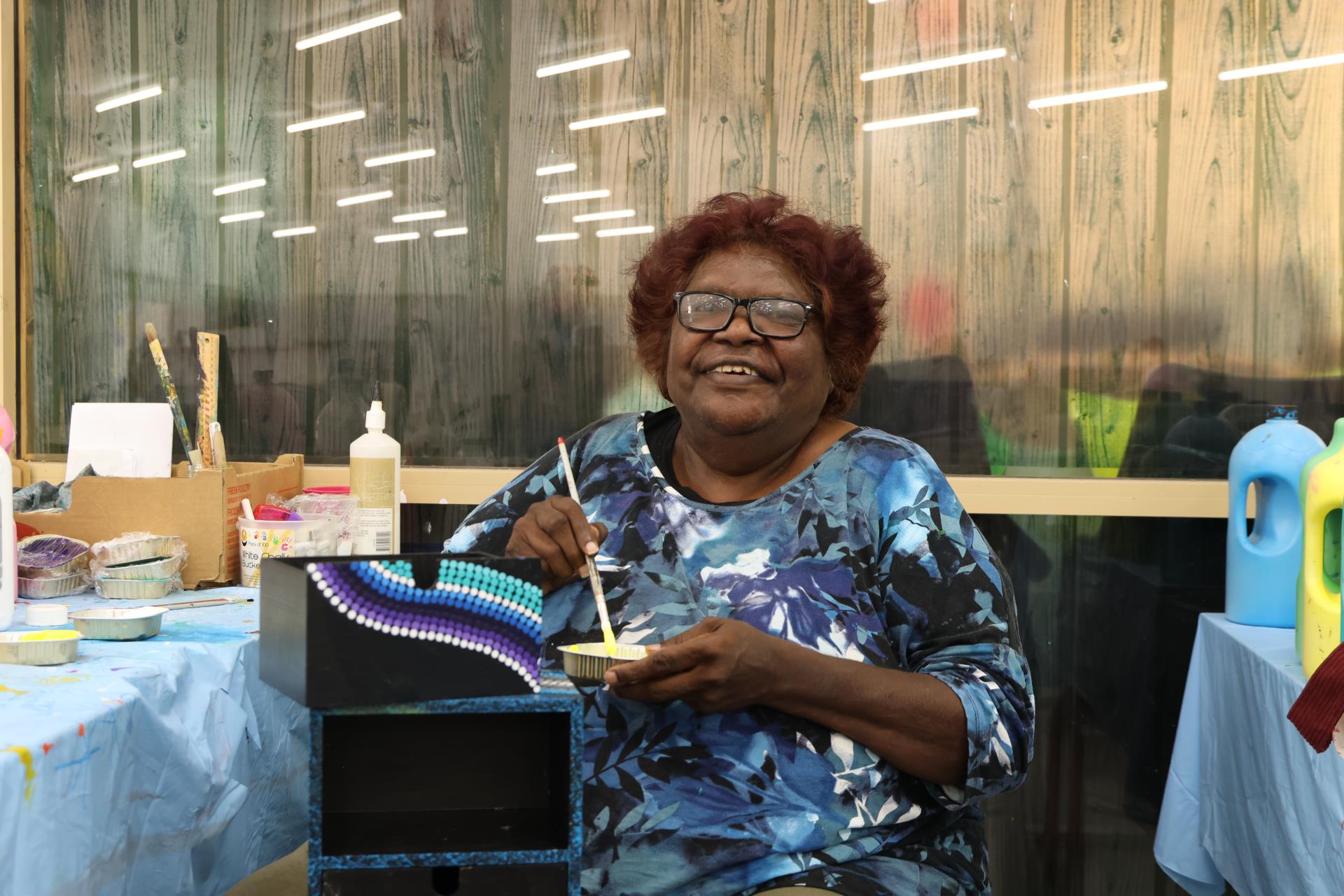
Karen Ryan, known to some as “Big Momma,” is a local Carnarvon artist whose work is grounded in lived experience, community, and creativity.
She has called Carnarvon home since the 1970s, growing up on the reserve in tin sheds without lights or power. She reminisces about a simple life defined by a strong sense of community and belonging, a foundation that has remained with her throughout her life.
Family has always been central to Karen’s life. For a period, she stepped away from the creative scene to pursue secretarial work, supporting her loved ones while developing skills for her future. Her resilience, sense of responsibility, and deep care for others are values that are strongly ingrained and evident in the way she practices her craft.
In time, these values led her back to what she holds dearly. After several years away, Karen returned to the local arts space with a renewed sense of connection and direction.
Her lived experiences now inform her creative practice, guiding a practical and resourceful, hands-on approach. Embracing a “make do with what’s here” mindset, she often repurposes discarded materials, turning them into expressive artworks.
She draws inspiration comes from everyday life, including the landscapes she travels through, the stories she carries, and the creative influence of artists from other regions whom she has met along the way.
Since returning to her practice, Karen has sold eight artworks, and had pieces featured at the Gwoonwardu Mia Heritage and Cultural Centre. For Karen, art is about more than creating; it is also about giving back. She regularly volunteers, shares her work, and encourages others to step forward and express themselves.
Her message is simple: spread the love, put yourself out there, and give back where you can.
Karen remains deeply connected to the community that has shaped her and, in turn, continues to inspire it through her work and generosity. Her journey reflects how courage, a strong sense of purpose, and a good heart, can shape not only what we create, but also the impact we can have on others.